
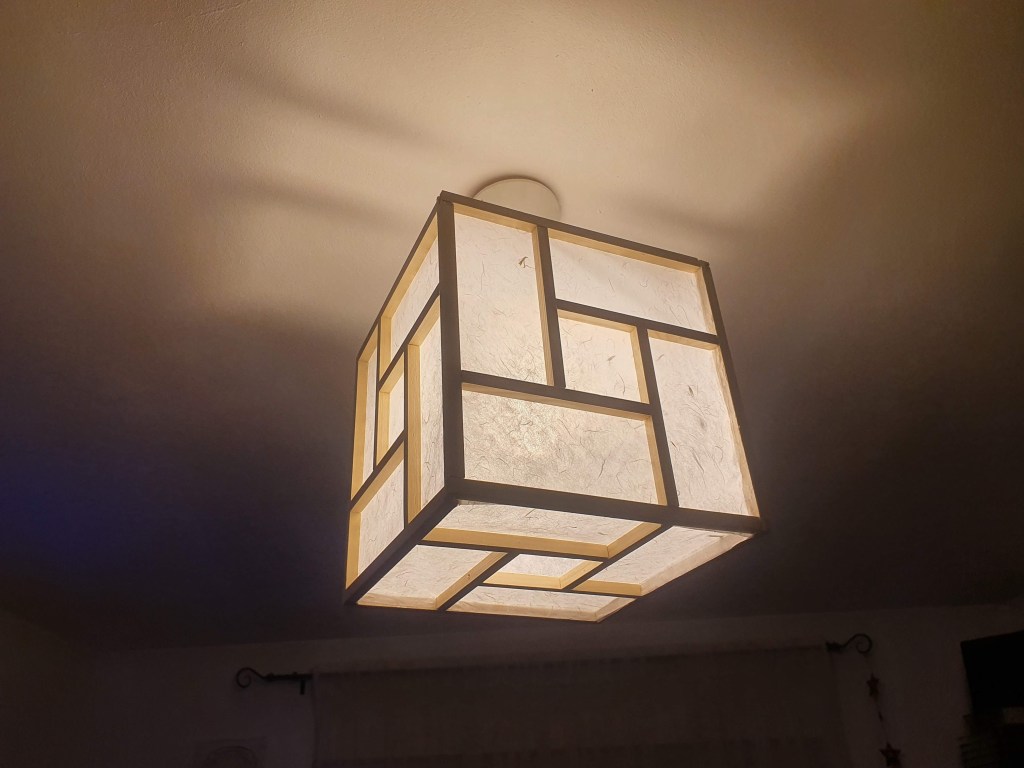
This is the second post in the series on how PapeRanpu got started. If you fancy, you can check the first post here. If not, just continue reading.
With the start of covid pandemic in 2020. I discovered podcasts and got especially hooked on the Tim Ferriss Show. I embarked on an epic adventure of listening to the whole backlog. A quest somewhat facilitated by my endurance sports habits that give me ample time for listening, but at the time of this writing I still have some forty 1.5 to 3 hour episodes to go. In any case, Tim interviews top performers in various disciplines and tries to find common themes applicable more broadly, that is outside of their respective domains. These are very often entrepreneur types, bold, adventurous, and creative people. As if this was not enough, I listened to the audio version of his book “The 4-Hour Work Week”. I will not go further in describing the book than citing its subtitle “Escape 9–5, Live Anywhere, and Join the New Rich”. All sorts of ideas started whirling in my simple head, ideas of starting businesses, exotic travel, radical changes… One unexpected recurring theme in both the podcast and the book, besides the well known relentless work ethic and burning passion for what they do, is that many successful entrepreneurs were “scratching their own itch”, fulfilling their own unmet need. In this way they at least have a target audience of one.
On long bike rides during the summer of 2021, with Tim Ferriss in my ears and grand ideas in my mind, I remembered the Japanese pendant pamps. They seemed to fit the bill. They were something I “needed” but couldn’t buy. I loved building them. As a bonus, other people also seemed to like them. Maybe I could build a business around them? The more I thought about it, the more plausible it seemed. I made a vague decision to do it.
The summer ended and with it my extended vacation. I returned to work and the daily grind took over my life, once again. I didn’t forget the lamps and the decision to start something with them, but I also didn’t do anything about it. I needed one more push to set me in motion. It came in the form of a seminar on goal setting that I took part in at work. Without going into details, I set myself a goal of making and selling no less than five lamps within two months. I was partially successful in that I made five and sold zero lamps, but now I am jumping ahead of myself…
Skewer-based shoji paper lamps were too clumsy to make and too fragile to transport, install, maintain. This meant that I needed to build something more practical and robust. I sketched out a plan, bought some material and started sawing, drilling and gluing. The basic idea was to make sides of the cube from battens connected using small wedges, glue rice paper on them, and deliver them to customers in a compact package for them to assemble the lamp themselves.
Remainder of the post shows the process of building the prototype.

First I made elements of one side, tried dry assembly, and proceeded to make the remaining sides. I alternated between connecting the outermost parts by gluing slots, as in the picture above, and connecting them by wedges. Neither option seemed to work, the connections were alway a bit out of place and everything felt misaligned. Besides, drilling these thin soft pine battens close to the end proved not to be a very clever idea as they would regularly crack.

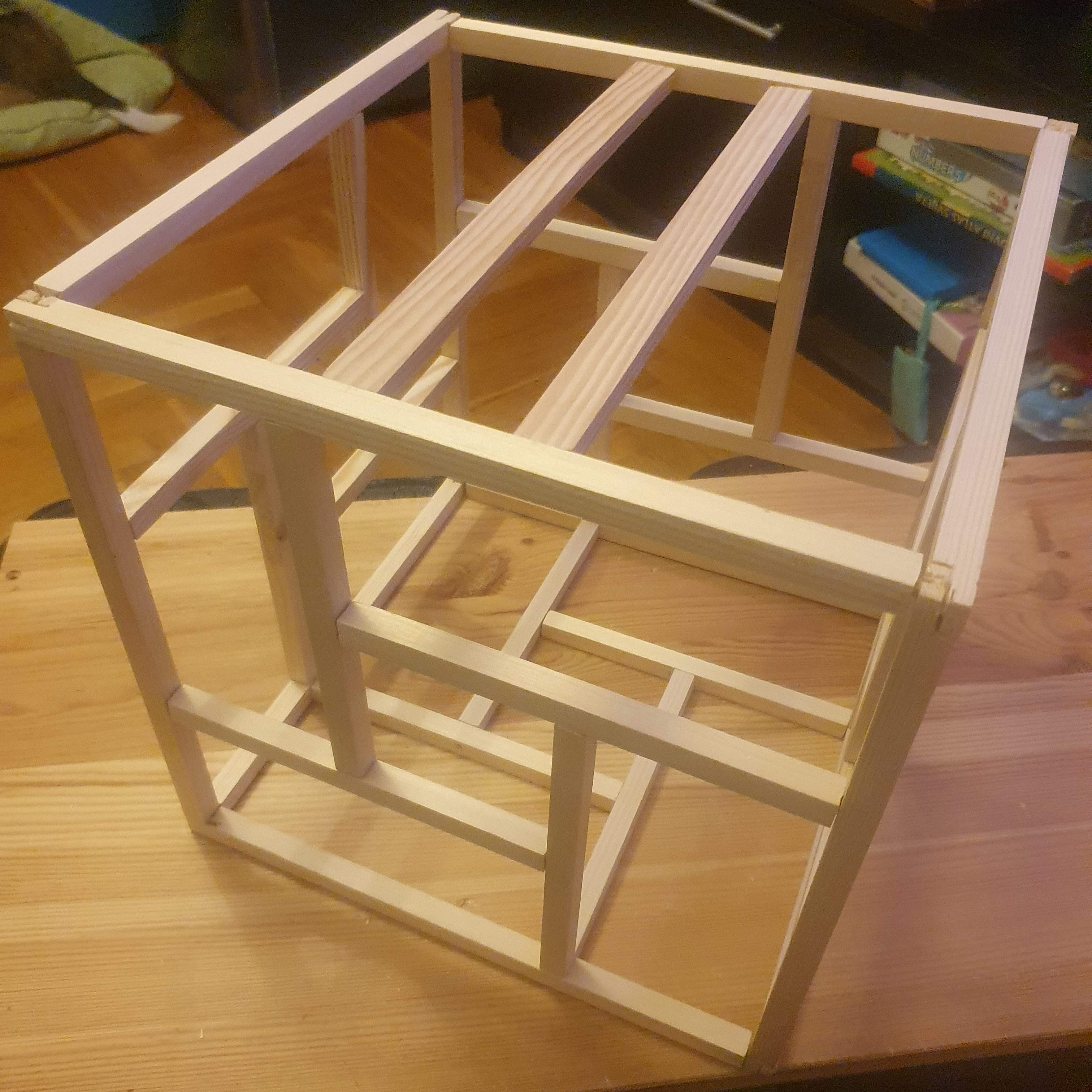
After a lot of pushing and pulling I managed to assemble the frame. Surprisingly, nothing broke in the process. At this point, after all the initial frustration, I actually started believing that I will manage to pull this one off.

I took the frame apart and glued the paper to the elements. These are the panels that were, according to the initial idea, supposed to be stacked on top of eachother in a package and delivered for assembly by the customer.
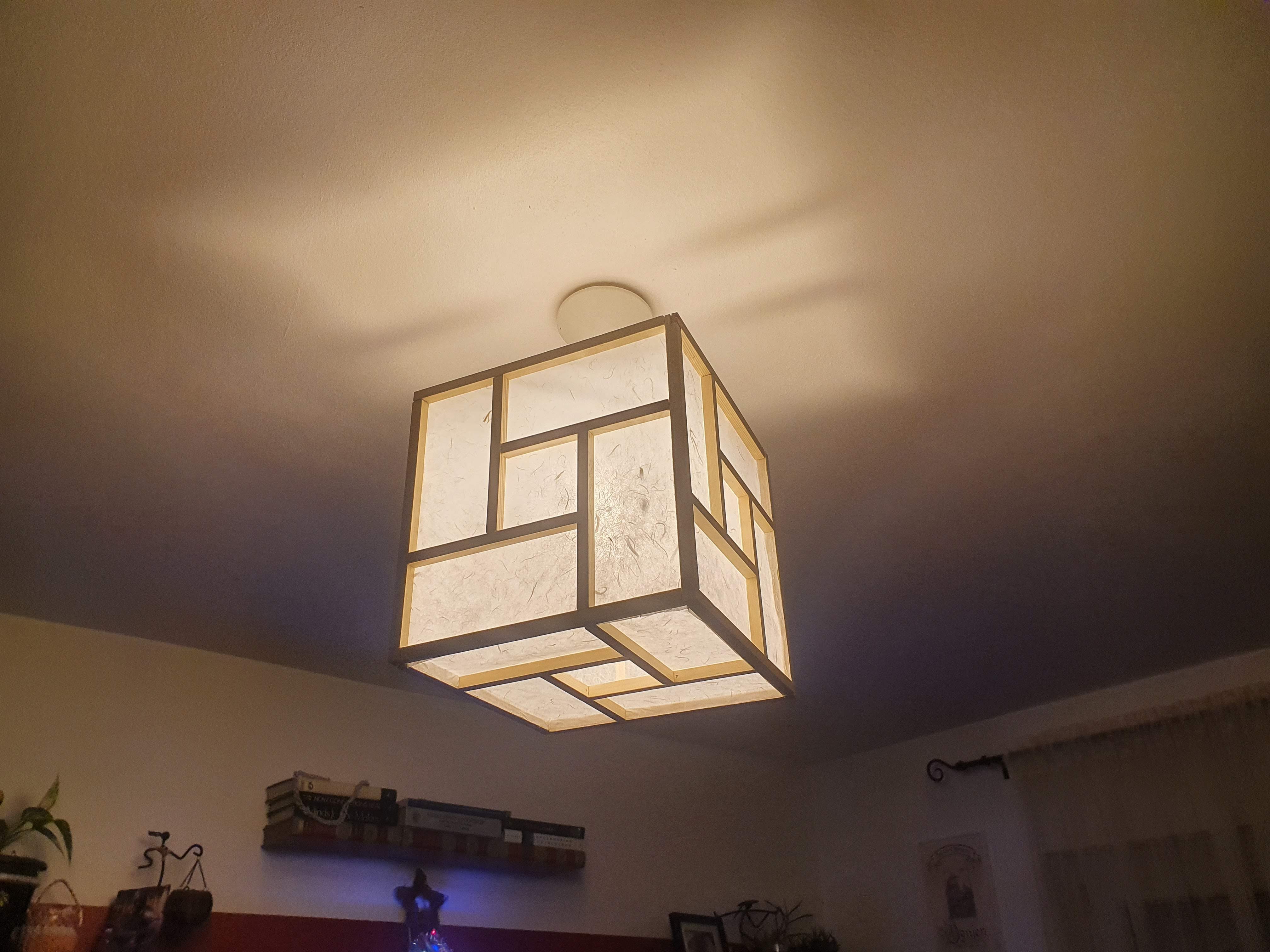
Finally, after some more pushing, pulling, swearing, and sweating, the lampshade is assembled and tested in our living room. I was satisfied with the look. It still had the main characteristics of the first prototypes, the simple and elegant geometric pattern, the warm and soft light.
However, making it was a pain and asking the customers to go through the torture of assembling it was out of the question. With my tools and skills, I simply couldn’t make the parts precisely enough for them to smoothly fit. I decided to scrap this design and start from scratch.
On the other hand, one of the people that liked my original lamps was my mother. After waiting for a decade, she got this one as a Christmas present and was delighted when I installed it in her bedroom as a replacement for her 80s style chandelier.
And I was back at my notebook, sketching.

 PapeRanpu
Leave a reply to Serial Production – PapeRanpu Cancel reply